- klfchospitalhanamkonda@gmail.com
- +91 9154211712 | +91 7337333104
Varicose veins are enlarged, twisted veins that commonly appear on the legs. Although they are often associated with older adults, young people can also develop this condition due to genetics, lifestyle habits, prolonged sitting or standing, and other risk factors. Early symptoms may include visible veins, leg pain, heaviness, swelling, and discomfort.
Ignoring these symptoms can allow the condition to progress. Understanding the causes and available treatment options can help people seek medical advice at the right time. If you notice unusual changes in your leg veins, consulting a specialist can help identify the problem and determine suitable Varicose Veins Treatment.
If you are experiencing persistent leg discomfort or visible enlarged veins, seeking medical evaluation can help you understand the condition and explore appropriate care options in Hanamkonda and Warangal.
Varicose veins develop when the valves inside the veins become weak or damaged. Normally, these valves help blood flow towards the heart and prevent it from moving backwards. When they do not function properly, blood can collect inside the veins.
This increases pressure within the veins, causing them to become enlarged, twisted, and visible beneath the skin. Varicose veins most commonly affect the legs because standing and walking increase pressure on the lower-body veins.
They may appear blue, purple, or dark and can cause discomfort, especially after long periods of standing. Some people may have visible veins without experiencing significant pain.
Several factors can contribute to the development of varicose veins. Common Varicose Veins Causes include:
Young adults who spend long hours working at desks or standing for extended periods may also experience circulation-related problems. Understanding these risk factors can help people recognise when they may need medical advice.
Recognising Varicose Veins Symptoms early can help people seek timely medical attention.
Common symptoms include:
Some people may have visible veins without pain, while others experience discomfort even when the changes are less noticeable.
Sudden leg swelling, warmth, or pain should be assessed urgently, as these symptoms may indicate a different condition, including a blood clot.
Yes. Varicose veins can develop in young adults, even during their twenties and thirties. Family history, inactivity, prolonged standing, excess weight, and certain hormonal factors can contribute to the condition.
People working in occupations that require standing for long hours, such as healthcare, retail, and hospitality, may experience increased pressure on their leg veins.
Young adults should not ignore persistent leg heaviness, swelling, or visible enlarged veins. Early evaluation can help identify the severity of the condition and determine whether treatment or lifestyle management is appropriate.
Consulting a qualified Varicose Veins Doctor Near Me can help patients understand their symptoms and available medical options.
A doctor usually begins by reviewing the patient's symptoms, medical history, and lifestyle. The legs may be examined while standing to identify enlarged veins, swelling, and skin changes.
A venous Doppler ultrasound is commonly used to assess blood flow and check whether the vein valves are functioning properly. It can also help identify abnormal backward blood flow, known as venous reflux.
The diagnostic evaluation may include:
The results help the doctor understand the condition and decide whether lifestyle management, compression therapy, or a medical procedure is appropriate.
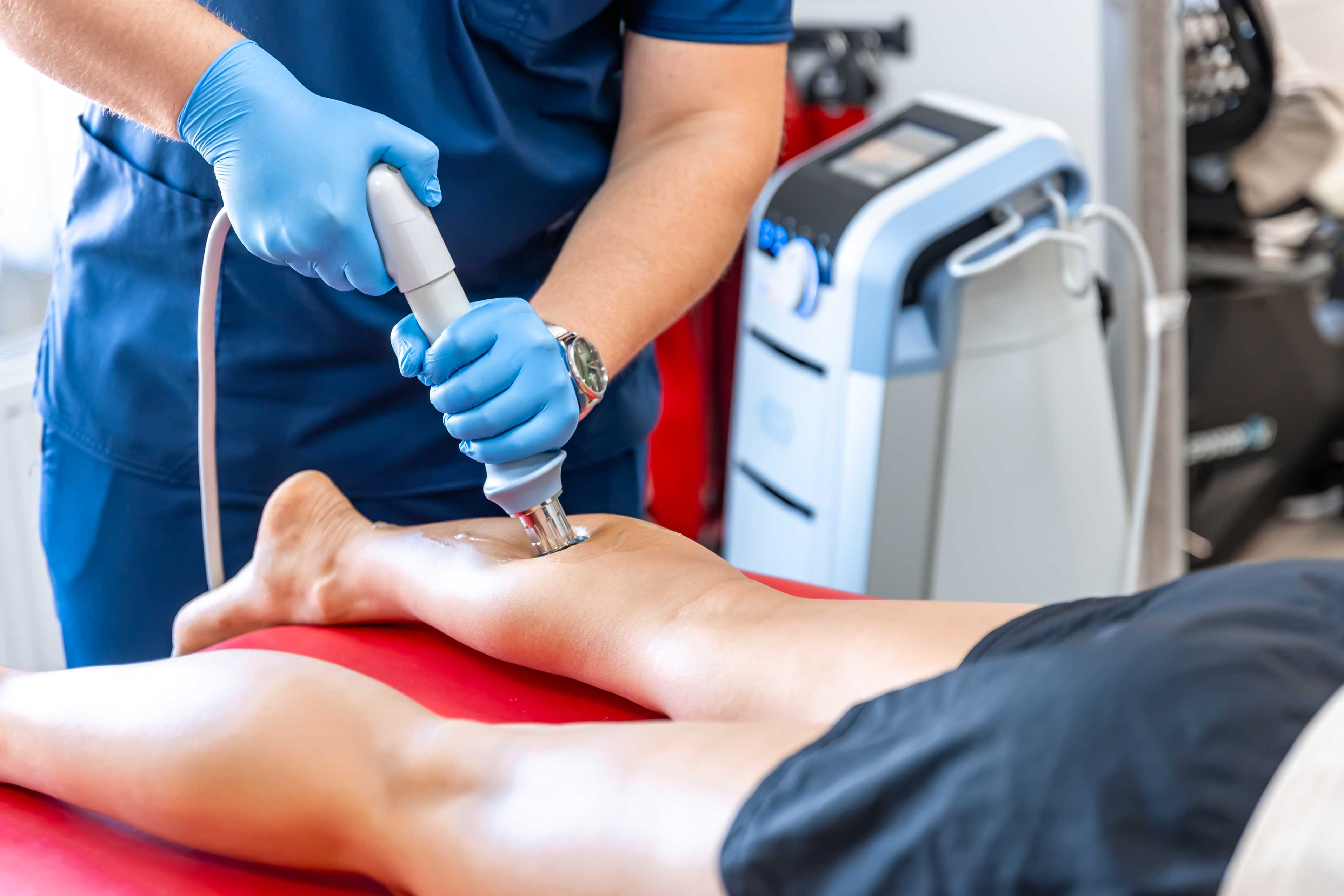
The right treatment depends on the severity of the condition, symptoms, and ultrasound findings. A specialist evaluates the affected veins before recommending a suitable treatment approach.
Common Varicose Veins Treatment options include:
1. Lifestyle Changes
Regular walking, maintaining a healthy weight, and avoiding prolonged sitting or standing may help manage symptoms and support circulation.
2. Compression Stockings
These specially designed stockings apply pressure to the legs and may improve circulation and reduce swelling. A medical professional can advise on the appropriate type and fit.
3. Sclerotherapy
A medical solution is injected into selected veins to close them. The treated veins gradually become less visible as the body responds to the procedure.
4. Endovenous Laser Treatment
This minimally invasive procedure uses laser energy to close affected veins. It is generally performed using imaging guidance and a small catheter.
5. Radiofrequency Ablation
Heat energy is used to close the problematic vein. A specialist evaluates the vein's condition to determine whether this procedure is suitable.
6. Surgical Treatment
Selected patients may require procedures to remove or close affected veins. The recommended approach depends on the patient's symptoms, vein condition, and diagnostic findings.
Laser Treatment for Varicose Veins is one modern option for suitable patients. A specialist will determine whether it is appropriate after evaluating the veins and reviewing the ultrasound findings.
Although varicose veins cannot always be prevented, certain lifestyle habits may help reduce discomfort and support healthy circulation.
These measures can help manage symptoms but may not correct damaged vein valves. If symptoms continue or become more troublesome, consult a medical professional for evaluation.
Simple daily habits may help people who experience leg heaviness or discomfort associated with varicose veins. These measures are supportive and should not replace medical evaluation when symptoms persist.
Consistent lifestyle habits can support circulation and help manage some symptoms. A specialist can provide guidance based on your individual condition.
You should consult a doctor if you notice persistent leg pain, swelling, visible enlarged veins, skin irritation, or changes in skin colour.
Medical evaluation is particularly important if symptoms interfere with walking, working, or daily activities. Seek prompt medical attention if you experience:
Sudden leg swelling or pain may indicate a blood clot and needs urgent medical assessment. If you experience chest pain or sudden difficulty breathing along with leg symptoms, seek emergency medical care.
If you are searching online for a Varicose Veins Doctor Near Me, consider consulting a qualified specialist who can assess your symptoms and recommend suitable treatment.
People experiencing persistent leg pain, swelling, or visible enlarged veins should seek an appropriate medical evaluation. Choosing a qualified specialist is important for understanding the condition and selecting the right treatment.
If you are looking for Varicose Veins Treatment in Hanamkonda or Varicose Veins Treatment in Warangal, consult a specialist to discuss your symptoms and diagnostic options. Depending on the assessment, treatment may include lifestyle guidance, compression therapy, or a suitable procedure.
Patients considering Varicose Veins Surgery in Hanamkonda or Varicose Veins Surgery in Warangal should first undergo a proper evaluation to understand whether surgery or a minimally invasive treatment is more appropriate.
KLFC (Koorapati Laparoscopic & Fertility Centre) provides surgical consultation and care in Hanamkonda. Contact the centre to enquire about the availability of varicose vein evaluation and treatment services.
Frequently Asked Questions About Varicose Veins
Early symptoms may include visible enlarged or twisted veins, leg pain, heaviness, tiredness, ankle swelling, itching, and night-time leg cramps. Some people may have visible veins without pain. Consult a doctor if symptoms persist or become uncomfortable.
Yes. Varicose veins can develop in young adults, including people in their twenties and thirties. Family history, prolonged sitting or standing, limited physical activity, excess weight, and hormonal factors may contribute to the condition.
A doctor reviews the patient's symptoms and medical history and examines the affected legs. A venous Doppler ultrasound is commonly used to assess blood flow, check vein valve function, and identify abnormal backward blood flow known as venous reflux.
Treatment options may include lifestyle changes, compression stockings, sclerotherapy, endovenous laser treatment, radiofrequency ablation, and selected surgical procedures. The appropriate treatment depends on symptoms, vein condition, and ultrasound findings.
No. Laser treatment is suitable for selected patients depending on the affected veins, symptoms, and diagnostic findings. A specialist generally evaluates the veins using ultrasound before deciding whether this minimally invasive procedure is appropriate.
If you are looking for varicose veins treatment in Hanamkonda or Warangal, consult a qualified specialist for evaluation and guidance. KLFC (Koorapati Laparoscopic & Fertility Centre) in Hanamkonda can be contacted to enquire about the availability of varicose vein consultation and treatment services.
Varicose veins can affect people of different age groups, including young adults. Recognising early symptoms, understanding the risk factors, and seeking timely medical advice can help prevent the condition from becoming more troublesome.
If you notice persistent leg discomfort or visible enlarged veins, consult a Varicose Veins Specialist for an appropriate evaluation and personalised treatment guidance.
If you are looking for Varicose Veins Treatment in Hanamkonda or Varicose Veins Treatment in Warangal, contact KLFC (Koorapati Laparoscopic & Fertility Centre) to enquire about consultation and available treatment services.