- klfchospitalhanamkonda@gmail.com
- +91 9154211712 | +91 7337333104
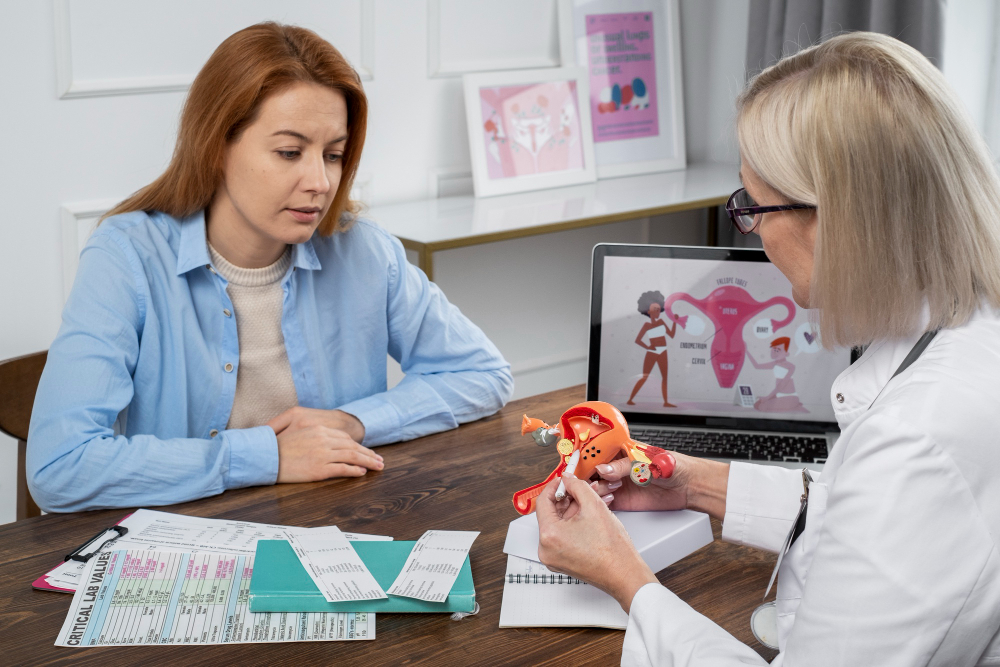
Irregular periods, acne, unwanted facial hair and difficulty managing weight are some concerns many women experience due to hormonal imbalances. Two commonly discussed terms associated with these symptoms are PCOS and PCOD. Understanding their meaning, symptoms, diagnosis and treatment options is important for maintaining reproductive health.
PCOS (Polycystic Ovary Syndrome) is a recognised hormonal and metabolic condition that can affect ovulation, menstrual cycles, skin health and fertility. PCOD (Polycystic Ovarian Disease) is a commonly used term in India for similar ovarian and hormonal concerns.
Understanding the differences between PCOS and PCOD, recognising their symptoms and seeking timely medical advice can help women manage their reproductive and hormonal health effectively.
PCOS and PCOD are frequently used to describe similar symptoms, including irregular menstrual cycles, hormonal changes and polycystic ovarian appearance. However, they are not universally recognised as two separate medical conditions with distinct diagnostic criteria.
PCOS is a hormonal and metabolic condition that can affect ovulation, menstrual cycles and fertility. PCOD is a commonly used term in India to describe ovarian changes associated with hormonal or menstrual disturbances.
Some important points to understand include:
Rather than focusing only on whether a woman has PCOS or PCOD, doctors assess her overall hormonal, reproductive and metabolic health.
Symptoms can vary from one woman to another. Some women experience several symptoms, while others may have only a few noticeable changes.
Common PCOS symptoms in women include:
Not every woman experiencing these symptoms has PCOS. Other hormonal or medical conditions can cause similar changes, so proper medical evaluation is important.
The exact cause of PCOS is not fully understood. However, several hormonal, genetic and metabolic factors are believed to contribute to its development.
Common contributing factors include:
PCOS is not caused simply by eating particular foods or having excess body weight. Women of different body sizes can develop this condition.
PCOS is a hormonal condition that affects the normal functioning of the ovaries. It can cause irregular ovulation, changes in androgen levels and a polycystic appearance of the ovaries.
In adults, doctors generally consider three key features when diagnosing PCOS:
Generally, at least two of these three features are required for diagnosis after excluding other possible causes.
PCOS can also be associated with insulin resistance, abnormal cholesterol levels and an increased risk of certain long-term health problems. Early diagnosis and regular monitoring can help women manage these concerns.
PCOD is a commonly used term for ovarian changes associated with hormonal disturbances. Women described as having PCOD may experience irregular periods, acne, weight changes and difficulties with ovulation.
However, PCOD is not a separate diagnosis with universally accepted clinical criteria that can be directly compared with PCOS. In many healthcare settings, the term is used informally to describe symptoms or ovarian findings associated with PCOS.
It is important to understand that the presence of multiple small follicles on the ovaries does not automatically mean a woman has PCOS.
A medical professional must consider menstrual history, symptoms, examination findings and appropriate investigations before reaching a diagnosis.
There is no single test that confirms PCOS in every woman. A gynaecologist evaluates symptoms, menstrual history and medical background before recommending investigations.
Common diagnostic methods include:
Doctors may also recommend tests to exclude thyroid disorders, elevated prolactin and other hormonal conditions.
For adolescents, diagnosis requires additional care because menstrual irregularities and ovarian changes can be part of normal puberty. Ultrasound and AMH testing are not recommended as diagnostic tests for PCOS in adolescents.
PCOS can affect fertility because irregular ovulation may make it difficult to predict the most fertile days. However, having PCOS does not mean a woman cannot become pregnant.
Many women with PCOS conceive naturally, while others may need medical support to improve ovulation.
Depending on individual requirements, treatment may include:
Letrozole is recommended as a first-line ovulation-induction medicine for many women with PCOS-related anovulatory infertility, when appropriate and prescribed by a specialist.
Women with PCOS may also have a higher risk of certain pregnancy complications, including gestational diabetes and high blood pressure. Early pregnancy assessment and appropriate monitoring can help manage these risks.
Women planning a pregnancy can discuss PCOS and pregnancy treatment in Hanamkonda with a qualified gynaecologist or fertility specialist.
There is no single treatment suitable for every woman. PCOS symptoms and treatment depend on the individual's symptoms, hormonal health, age and pregnancy plans.
Common treatment approaches include:
Medication should always be taken under medical supervision. Treatment suitable for a woman who is not planning pregnancy may be different from treatment for someone trying to conceive.
Healthy lifestyle habits play an important role in managing PCOS. They can support metabolic health, improve general well-being and help some women manage menstrual and hormonal symptoms.
Consider these practical steps:
There is no single diet that works for every woman with PCOS. Sustainable habits are more useful than restrictive diets or unverified supplements.
Do not ignore persistent menstrual or hormonal changes. Consider consulting a gynaecologist in Hanamkonda if you experience:
Seek medical advice if you have gone around 90 days without a period and are not pregnant. Heavy bleeding, severe pelvic pain or sudden severe symptoms also require prompt medical assessment.
Early consultation can help identify the underlying cause and determine an appropriate care plan.
Women looking for PCOS treatment in Hanamkonda and PCOD treatment in Warangal should consult a qualified gynaecologist for individual evaluation and appropriate treatment guidance.
Women experiencing irregular periods, hormonal changes or fertility-related concerns should seek evaluation from a qualified gynaecologist or an appropriate women's healthcare specialist.
If you are looking for PCOS treatment in Hanamkonda, PCOD treatment in Warangal or a PCOS doctor in Hanamkonda, choose a healthcare provider who can assess your symptoms, recommend suitable investigations and explain available treatment options.
Koorapati Laparoscopic & Fertility Centre (KLFC) is a healthcare centre in Hanamkonda. Women interested in consulting KLFC about fertility-related concerns can contact the centre to confirm the availability of relevant PCOS assessment and gynaecological consultation services.
Whether you are searching for a PCOD doctor in Warangal, a PCOS specialist in Warangal or a women's health hospital in Warangal, make sure the facility and specialist can address your particular healthcare needs.
Frequently Asked Questions About PCOS and PCOD
PCOS is a recognised hormonal and metabolic condition with established diagnostic criteria. PCOD is a commonly used term in India for similar ovarian and hormonal concerns. They are not universally recognised as two separate conditions with distinct diagnostic criteria.
Common symptoms include irregular periods, acne, excess facial or body hair, hair thinning, weight changes and difficulty conceiving due to irregular ovulation. Symptoms can vary between women.
Yes. PCOS can cause irregular ovulation, which may make conception difficult for some women. However, many women with PCOS conceive naturally, while others may benefit from fertility treatment and medical support.
There is currently no permanent cure for PCOS, but its symptoms can often be managed effectively. Medical treatment, healthy lifestyle habits and regular monitoring can help improve menstrual, metabolic and reproductive health.
A gynaecologist evaluates menstrual history, symptoms and medical background. Diagnosis may involve hormone blood tests, physical examination and pelvic ultrasound when appropriate. Other conditions that cause similar symptoms must also be excluded.
No. Not every woman with PCOS experiences weight gain. Women of different body sizes can develop PCOS, and the condition can occur even in women who maintain a healthy body weight.
Yes. Balanced nutrition, regular physical activity, adequate sleep and stress management can support metabolic health and help manage some PCOS symptoms. Lifestyle changes should complement medical care when treatment is needed.
Yes. Some women with PCOS may experience regular menstrual periods, although ovulation can still be irregular. A doctor may recommend additional assessment if fertility or ovulation concerns are present.
Consult a gynaecologist if you experience frequently irregular or absent periods, persistent acne, excess facial hair, unexplained weight changes or difficulty conceiving. Medical advice is also recommended if you go around 90 days without a period and are not pregnant.
Women in Hanamkonda and Warangal can consult a qualified gynaecologist for PCOS assessment, hormonal concerns and fertility-related guidance. Contact Koorapati Laparoscopic & Fertility Centre (KLFC) in Hanamkonda to enquire about consultation availability and relevant healthcare services.
PCOS and PCOD are commonly used terms associated with hormonal and ovarian changes, but PCOS is the recognised medical diagnosis with established clinical guidelines. Symptoms can differ between women, and proper medical evaluation is important to understand the underlying cause.
With appropriate medical guidance, healthy lifestyle habits and individualised treatment, many women can manage their symptoms and plan for a healthy pregnancy when desired. Early diagnosis and regular monitoring can also help address potential long-term health concerns.
If you notice persistent menstrual irregularities, acne, excess hair growth or fertility concerns, consult a qualified healthcare professional rather than relying on self-diagnosis.
Women looking for PCOS treatment in Hanamkonda and PCOD treatment in Warangal can contact Koorapati Laparoscopic & Fertility Centre (KLFC) in Hanamkonda to enquire about consultation and available women's healthcare services.