- klfchospitalhanamkonda@gmail.com
- +91 9154211712 | +91 7337333104
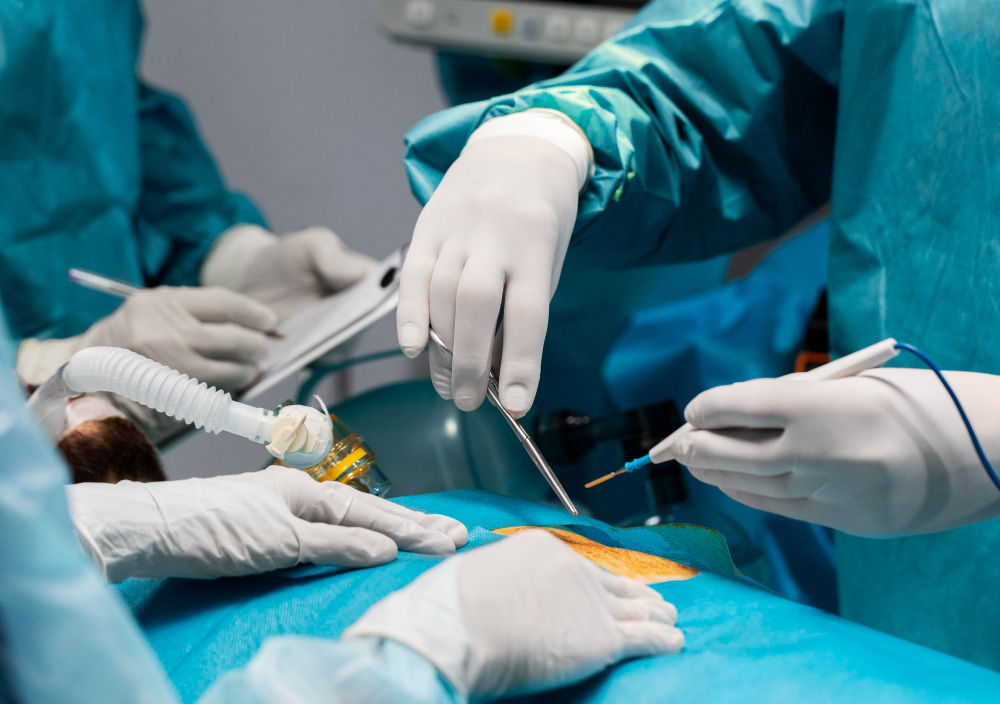
Choosing the right surgeon is an important step when you need surgery for conditions such as gallbladder stones, hernia, or other abdominal problems. Although the thought of surgery can feel stressful, understanding your treatment options and selecting an experienced medical professional can help you approach the process with greater confidence.
Today, laparoscopic surgery in Hanamkonda, Warangal is an option for several conditions that may otherwise require traditional open surgery. This technique uses small incisions and specialised instruments to perform procedures inside the body. However, the right treatment depends on your diagnosis, overall health, and the surgeon's assessment.
If you are looking for a surgeon, knowing how to evaluate qualifications, experience, hospital facilities, and follow-up care can help you make an informed decision.
Laparoscopic surgery is a minimally invasive surgical technique in which a surgeon makes small incisions and uses a camera and specialised instruments to perform an operation.
The camera provides a view of the internal area on a monitor, allowing the surgeon to work through small openings rather than one large incision.
Doctors may recommend this approach for certain conditions, including:
The benefits may include smaller incisions, less wound discomfort, and a shorter hospital stay in suitable cases. However, outcomes vary, and some patients may require open surgery depending on their condition.
When researching the best laparoscopic surgeon in Hanamkonda, Warangal, look beyond online advertisements and consider the surgeon's qualifications, experience, communication, and treatment approach.
Important factors include:
These considerations can help you compare available surgeons and choose care suited to your medical needs.
A surgeon's qualifications and practical experience are important when planning an operation. General surgeons may perform laparoscopic procedures after appropriate training and experience.
Ask whether the surgeon has experience treating your specific condition and whether laparoscopic surgery is suitable for your situation.
For example, patients considering gallbladder stone surgery in Hanamkonda should understand why surgery is recommended, what the procedure involves, and what alternatives may be appropriate.
Similarly, people considering laparoscopic hernia surgery in Hanamkonda should ask about the type of hernia, the proposed repair technique, and the possibility of recurrence or other complications.
A qualified general surgeon in Hanamkonda should assess your medical history, examination findings, and investigation results before recommending a procedure.
A consultation is an opportunity to understand your treatment and address concerns. Prepare a few questions before your appointment.
Consider asking:
A surgeon should explain the answers in language you understand and give you time to consider your options. Do not hesitate to ask for clarification if something is unclear.
Laparoscopic techniques are used for various conditions, depending on the patient's needs and the surgeon's assessment.
Gallbladder stones: Laparoscopic gallbladder removal may be recommended when gallstones cause symptoms or complications. Patients exploring laparoscopic gallbladder surgery in Warangal should ask about the expected benefits, risks, and recovery.
Hernia: Some abdominal and groin hernias can be repaired using laparoscopic techniques. The appropriate method depends on the type of hernia, previous operations, and individual health factors.
Appendicitis: Laparoscopic appendectomy may be suitable for many patients who need their appendix removed.
Other abdominal conditions: Certain gastrointestinal and abdominal procedures may also be performed laparoscopically.
Not every condition requires surgery, and not every patient is suitable for a minimally invasive approach. A clinical assessment is essential.
Both laparoscopic and open surgery can be effective. The choice depends on the condition, the procedure, the surgeon's expertise, and the patient's overall health.
Laparoscopic surgery generally uses several small incisions, a camera, and specialised instruments. Open surgery usually involves a larger incision that gives the surgeon direct access to the surgical area.
Potential advantages of laparoscopic surgery include smaller wounds, reduced postoperative discomfort in many cases, and faster recovery for suitable procedures.
Open surgery may be preferable when the condition is complex, visibility or access is limited, or complications require a different approach. Sometimes a laparoscopic procedure must be converted to open surgery for safety.
Your surgeon should explain which approach is appropriate and why.
Before surgery, your medical team may review your medical history, conduct a physical examination, request blood tests or imaging, and assess your fitness for anaesthesia.
You will receive instructions about fasting, medications, and admission arrangements. Follow these instructions carefully and inform your doctor about existing health conditions and all medicines you take.
After surgery, recovery depends on the procedure and your health. Your team will provide guidance on wound care, activity, diet, pain management, and follow-up appointments.
Contact your medical team if you develop increasing pain, fever, persistent vomiting, wound redness, or other concerning symptoms. Severe pain, breathing difficulty, or significant bleeding requires urgent medical attention.
When comparing a laparoscopic surgery hospital in Hanamkonda or a laparoscopic surgery hospital in Warangal, consider the complete care experience rather than the procedure alone.
Check whether the hospital provides:
At Koorapati Hospital, patients can enquire about available general surgery consultations and laparoscopic treatment options. Discuss your diagnosis, the surgeon's experience with your procedure, and the hospital services available before making a treatment decision.
Frequently Asked Questions
To understand how to choose a laparoscopic surgeon, check relevant qualifications, experience with your specific procedure, communication, and hospital facilities. Discuss treatment alternatives, risks, recovery, and follow-up care before deciding.
Laparoscopic surgery may offer smaller incisions and faster recovery for suitable conditions. However, open surgery may be safer or more appropriate in some situations. Your surgeon can explain the best approach for your diagnosis.
Recovery depends on the procedure, your overall health, and whether complications occur. Some patients resume normal activities relatively quickly, while others need several weeks. Follow your surgeon's individual recovery instructions.
No. Laparoscopic gallbladder surgery is suitable for many patients who require gallbladder removal, but individual circumstances can affect the approach. A surgeon will assess your condition and discuss the available options.
Check the surgical team's qualifications, available operating facilities, anaesthesia services, postoperative monitoring, emergency support, and pricing information. Also ask about follow-up care and whom to contact if concerns arise after discharge.
A general surgeon with appropriate laparoscopic training and experience may perform hernia repair. Suitability depends on the type of hernia, the patient's health, and the surgeon's assessment.
Knowing how to choose a laparoscopic surgeon can help you make a confident and informed decision about your treatment. Review qualifications, ask questions, understand the risks and benefits, and choose a hospital that provides appropriate surgical and postoperative care.
If you are considering laparoscopic surgery in Hanamkonda, Warangal, contact Koorapati Hospital to enquire about available consultations and treatment options. Discuss your symptoms with a qualified surgeon and understand the recommended approach before proceeding.
With the right medical guidance and preparation, you can take a more informed step towards your health and recovery.