- klfchospitalhanamkonda@gmail.com
- +91 9154211712 | +91 7337333104
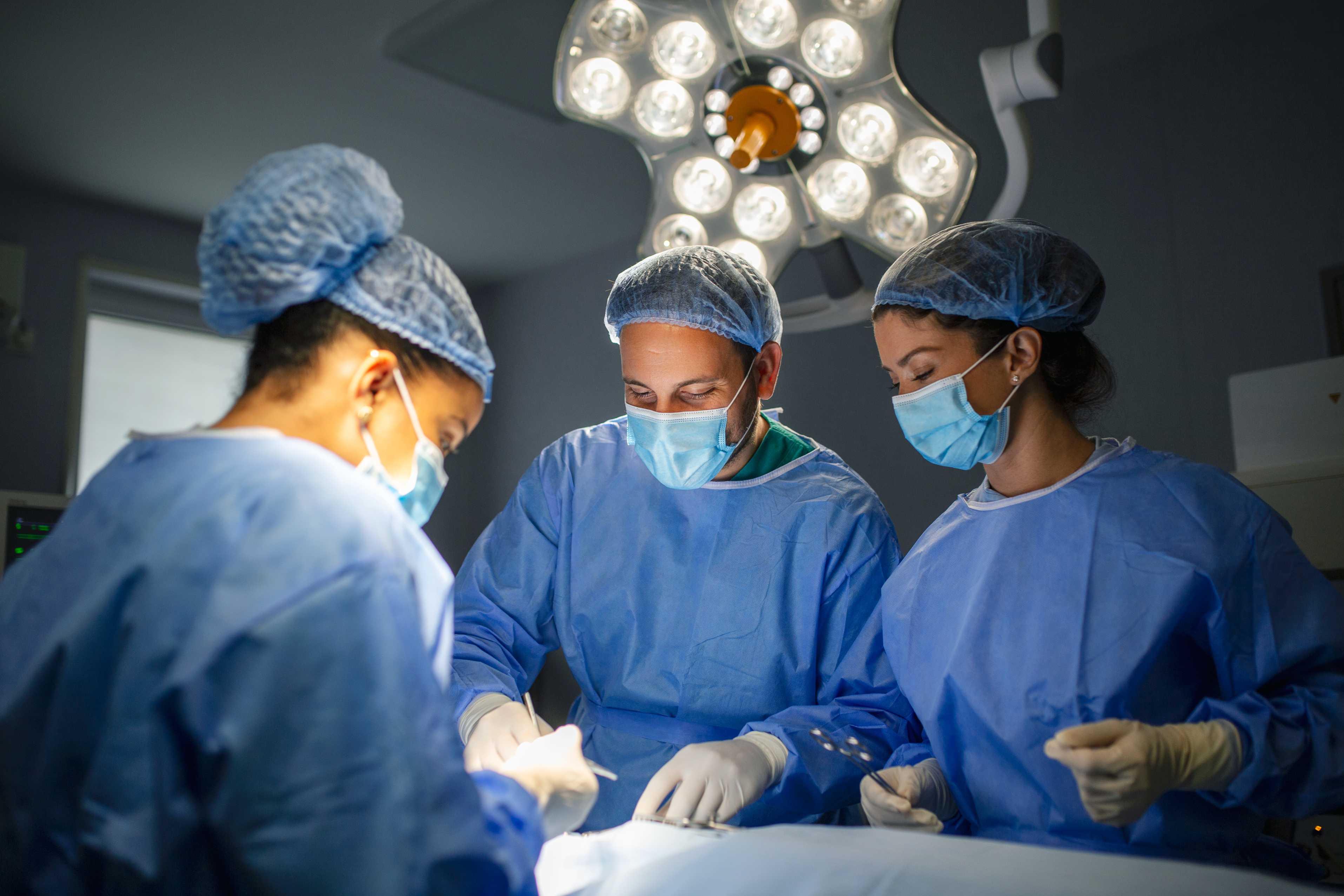
A hernia develops when an internal organ or tissue pushes through a weak area in the surrounding muscle or connective tissue. It commonly occurs in the abdomen or groin and may cause a visible bulge, discomfort, or pain. While some hernias initially cause mild symptoms, many require medical evaluation and surgical treatment.
Today, Laparoscopic Hernia Surgery in Hanamkonda and Warangal and traditional open surgery are two commonly used approaches for hernia repair. Both procedures aim to close the weakness and strengthen the affected area. However, they differ in surgical technique, incision size, and recovery.
Understanding these differences can help patients make informed decisions with their surgeon. A proper medical evaluation helps determine which surgical approach may be suitable for an individual's condition.
A hernia occurs when tissue or an organ pushes through a weak area in the muscle or surrounding tissue. It can develop due to muscle weakness, ageing, previous surgery, heavy lifting, or increased abdominal pressure.
Common types of hernias include:
Common symptoms include a visible bulge, discomfort while lifting, pain during coughing, and a feeling of pressure in the affected area.
A hernia does not usually disappear on its own. Medical evaluation helps determine whether monitoring or surgery is appropriate. Sudden severe pain, vomiting, abdominal swelling, or a hernia bulge that becomes firm and cannot be pushed back requires emergency medical attention.
Laparoscopic hernia repair is a minimally invasive surgical procedure performed through a few small incisions in the abdomen.
The surgeon inserts a thin camera called a laparoscope and specialised instruments through these openings. The camera displays the internal area on a monitor, allowing the surgeon to repair the hernia.
Depending on the hernia type and surgical technique, a surgical mesh may be placed to strengthen the weakened area and reduce the risk of recurrence.
Common laparoscopic approaches include:
The choice of technique depends on the hernia's location, previous surgeries, and the surgeon's assessment.
Open hernia surgery is a traditional procedure in which the surgeon makes an incision near the affected area to access and repair the hernia.
The protruding tissue is carefully repositioned, and the weakened muscle area is repaired. In many cases, mesh is used to strengthen the abdominal wall and reduce the chances of recurrence.
Open surgery may be performed under general, regional, or local anaesthesia with sedation, depending on the procedure and the patient's condition.
It remains an effective treatment option for several types of hernias, including cases where a minimally invasive approach may not be suitable.
Both procedures aim to repair the hernia, but their techniques and recovery experiences can differ. Understanding the differences helps patients discuss suitable treatment options with their surgeon.
The best approach is not the same for everyone. The surgeon considers the patient's medical history, hernia size, location, and previous operations before recommending treatment.
For appropriately selected patients, laparoscopic hernia repair offers several potential advantages.
However, laparoscopic surgery also requires specialised equipment and expertise. It may not be the best option for every patient, and complications or hernia recurrence can occur with either approach.
Open hernia surgery may be recommended when the patient's condition or hernia characteristics make it a more appropriate option.
It may be considered in situations such as:
The surgeon will evaluate the risks and benefits before selecting the procedure. Open surgery should not be considered an inferior option; it remains an important and effective method of hernia treatment.
Recovery varies depending on the type of hernia, surgical technique, overall health, and individual healing process.
After laparoscopic surgery, some patients experience mild abdominal discomfort, bloating, or shoulder discomfort due to the gas used during the procedure.
After open surgery, patients may experience discomfort around the incision area.
General recovery guidelines include:
Hernia operation recovery time differs from person to person. Many patients resume light activities within a few days, but returning to strenuous work, exercise, or heavy lifting may take several weeks. Follow your surgeon's individual instructions.
Choosing between laparoscopic and open surgery requires proper medical evaluation. Patients should not select a procedure based only on incision size or recovery expectations.
Discuss these factors with your surgeon:
Ask whether Hernia Mesh Repair is recommended in your case. Mesh is commonly used to strengthen the repaired area, but the choice of technique and material depends on individual clinical factors.
Your surgeon can explain the available options and help you understand which procedure may be appropriate for your specific condition.
If you notice a bulge in your abdomen or groin, persistent discomfort, or pain while lifting, consult a qualified surgeon for an examination. Early evaluation helps determine the type of hernia and appropriate treatment options.
Patients looking for Hernia Surgery in Hanamkonda and Warangal, Hernia Treatment in Hanamkonda, or a Hernia Specialist in Warangal should consider the surgeon's experience, available surgical facilities, and follow-up care.
Koorapati Laparoscopic & Fertility Centre (KLFC) in Hanamkonda can be approached to enquire about consultation and hernia treatment options. Dr. Ramesh Koorapati is a laparoscopic surgeon with 25 years of experience. Patients can discuss their symptoms and understand whether laparoscopic or open surgery is appropriate for their condition.
If you are searching for a Hernia Specialist in Hanamkonda, arrange a consultation rather than delaying treatment due to fear of surgery.
Frequently Asked Questions About Hernia Surgery
Neither procedure is best for everyone. Laparoscopic surgery may offer smaller incisions and quicker recovery for suitable patients, while open surgery may be more appropriate for certain complex cases.
Some discomfort is expected after surgery. Many patients experience less incision-related pain, but the level of discomfort depends on the procedure and individual healing.
Recovery varies. Many patients resume light activities within a few days, while strenuous activities and heavy lifting may require several weeks of recovery.
No. Mesh is commonly used to strengthen the repair and reduce recurrence risk, but its use depends on the hernia type, surgical technique and patient condition.
Yes. Hernia recurrence is possible after both laparoscopic and open surgery. Surgical technique, hernia characteristics and individual healing can influence the risk.
Age alone does not determine suitability. The patient's overall health, medical conditions and ability to undergo anaesthesia must be assessed.
The duration depends on the hernia type, complexity and whether one or both sides require repair. Your surgeon can provide an estimate after evaluation.
The timing depends on the procedure and the physical demands of your job. Office work may be resumed earlier than jobs involving heavy lifting or physical activity.
Sudden severe pain, vomiting, abdominal swelling, fever or a painful bulge that cannot be pushed back requires urgent medical attention.
You can approach KLFC in Hanamkonda to enquire about surgical consultation and available hernia treatment options. Discuss your symptoms and medical history with the surgeon before deciding on a procedure.
Laparoscopic and open hernia surgery are established approaches to hernia repair. Each has its own benefits and considerations, and the appropriate procedure depends on the patient's condition, hernia characteristics, and medical history.
If you notice a bulge in your abdomen or groin, persistent discomfort, or pain while lifting, consult a qualified hernia surgeon for an appropriate evaluation and treatment guidance.
If you are looking for Hernia Surgery in Hanamkonda and Warangal, contact Koorapati Laparoscopic & Fertility Centre (KLFC) in Hanamkonda to enquire about consultation and available hernia treatment options.