- klfchospitalhanamkonda@gmail.com
- +91 9154211712 | +91 7337333104
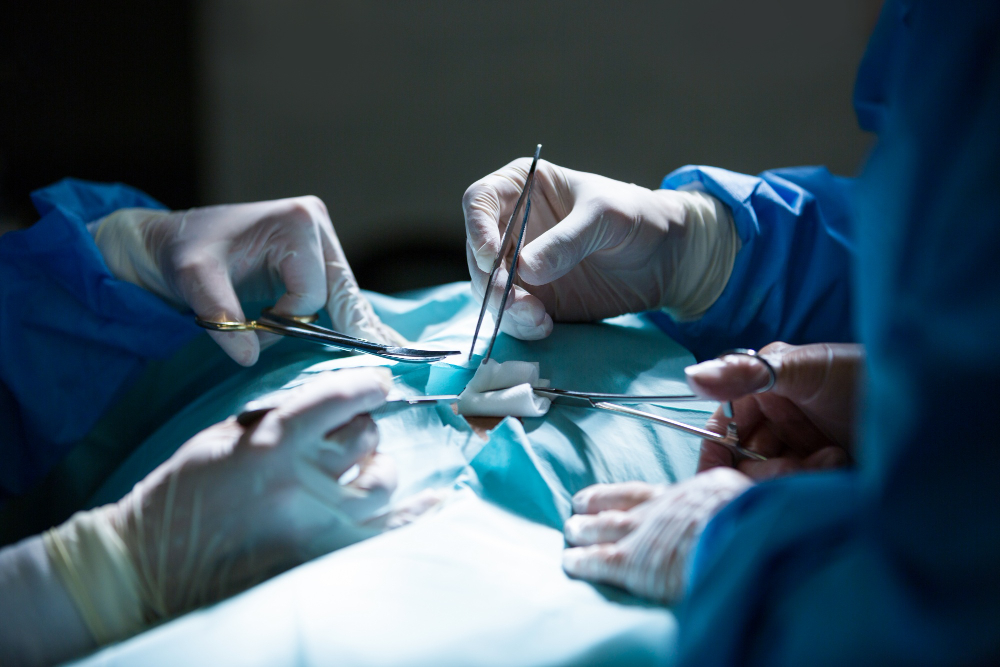
A hernia develops when an internal organ or tissue pushes through a weak area in the surrounding muscle or connective tissue. It may appear as a visible lump or swelling and can sometimes cause pain, heaviness, or discomfort, particularly while coughing, lifting, or standing.
Some hernias may initially cause few symptoms, but they do not usually disappear on their own. Depending on the type, size, symptoms, and risk of complications, a doctor may recommend monitoring or surgical repair.
If you are considering Hernia Surgery in Hanamkonda, Warangal, understanding the different types of hernia, available surgical techniques, recovery, and when surgery may be necessary can help you make an informed decision.
A hernia occurs when tissue pushes through a weakened area in the muscle or abdominal wall. Common symptoms include a visible bulge, discomfort, pressure, or pain that may become more noticeable with physical activity.
Open hernia surgery is a traditional surgical technique in which the surgeon makes an incision near the hernia. The protruding tissue is returned to its proper position, and the weakened area is repaired, often using surgical mesh when appropriate.
Open Hernia Surgery in Hanamkonda may be recommended depending on the hernia type, size, location, previous surgeries, and the patient's overall health.
Hernias can occur in different parts of the body. Some of the commonly encountered types include:
The symptoms and treatment approach can vary depending on the location and characteristics of the hernia.
Not every hernia requires immediate surgery. However, surgical evaluation is important because a hernia can sometimes become larger or develop complications.
A doctor may recommend surgery when:
Sudden severe pain, vomiting, abdominal swelling, or a hernia that becomes firm and cannot be pushed back should be treated as an emergency.
A qualified surgeon can assess the condition and determine whether surgery is appropriate.
The two main approaches to Hernia Repair in Hanamkonda are open and laparoscopic surgery.
Open repair involves making an incision over the hernia. The surgeon places the protruding tissue back into position and strengthens the weakened area.
This technique may be suitable for various hernias and can be particularly useful in situations where a larger or direct surgical approach is required.
Laparoscopic Hernia Surgery in Hanamkonda, Warangal is a minimally invasive approach performed through small incisions using a camera and specialised surgical instruments.
For suitable patients, laparoscopic repair may offer smaller incisions and potentially less postoperative discomfort and a quicker return to routine activities.
The choice between open and laparoscopic surgery depends on the patient's condition, type of hernia, previous operations, surgeon's expertise, and other medical factors.
Before surgery, the surgeon evaluates the hernia and may recommend physical examination, imaging, or other tests when required.
During the procedure, anaesthesia is provided according to the planned operation. The surgeon then returns the protruding tissue to its appropriate position and repairs the weakened abdominal wall.
A surgical mesh may be used in many repairs to reinforce the affected area and reduce the likelihood of recurrence.
With laparoscopic surgery, the procedure is performed through small openings using a camera and specialised instruments. With open surgery, the repair is performed through a larger incision.
After surgery, the patient is monitored and given instructions regarding medicines, wound care, diet, physical activity, and follow-up.
When surgery is medically appropriate, hernia repair can provide several benefits.
Repairing the hernia can help reduce pain, pressure, heaviness, and discomfort associated with the condition.
Timely treatment can help reduce the risk of serious complications such as incarceration or strangulation in patients for whom surgery is indicated.
After recovery, many patients can return to their usual activities with fewer restrictions caused by the hernia.
Surgical repair reinforces the weakened area and helps restore the integrity of the abdominal wall.
The expected benefits depend on the individual case and the type of repair performed.
Hernia Surgery Recovery in Hanamkonda, Warangal varies from person to person. Recovery depends on the surgical technique, type and size of the hernia, overall health, and whether complications occur.
Patients may experience some pain, swelling, bruising, or tightness around the surgical area during the initial recovery period.
Your surgeon may recommend:
Laparoscopic procedures may allow some patients to resume normal activities sooner than open repair, but recovery should always follow the surgeon's individual instructions.
Laparoscopic surgery is not automatically the best option for every patient.
Your surgeon may consider factors such as the type and size of the hernia, whether it is recurrent, previous abdominal surgeries, overall health, and the availability of appropriate surgical expertise.
In some situations, open repair may be more suitable. The safest and most effective approach should be decided after a proper medical evaluation.
Patients should also discuss potential complications, anaesthesia, expected recovery, and alternatives before undergoing surgery.
Choosing an experienced surgical team is an important part of hernia treatment. A qualified Hernia Surgeon in Hanamkonda can evaluate your symptoms, identify the type of hernia, and explain whether surgery is necessary.
If you are looking for a Hernia Surgeon in Warangal, it is important to choose a hospital where diagnosis, surgical planning, treatment, and postoperative care are coordinated.
At Koorapati Hospital, patients can consult a surgical team for assessment and treatment planning for different types of hernia.
The team can discuss whether open or laparoscopic repair may be appropriate and explain the expected procedure and recovery based on the patient's individual condition.
Frequently Asked Questions
Hernia surgery repairs a weakened area of the abdominal wall through which tissue has protruded. Depending on the condition, the repair may be performed using open or laparoscopic techniques.
Laparoscopic surgery may offer smaller incisions and potentially quicker recovery for suitable patients. However, open surgery may be more appropriate for certain hernias and patients.
Recovery varies according to the type of surgery, hernia, and individual health. Your surgeon will provide personalised instructions about returning to work, exercise, and heavy lifting.
The Hernia Surgery Cost in Hanamkonda, Warangal depends on the type of hernia, surgical technique, hospital charges, surgeon's fees, investigations, medicines, and other factors. A consultation can provide a more specific estimate.
Consult a surgeon if you notice a persistent bulge, pain, increasing swelling, or discomfort during physical activity. Sudden severe pain or a firm, non-reducible bulge requires urgent medical attention.
Some small or minimally symptomatic hernias may be monitored in selected patients. However, hernias that require repair generally need surgery. A surgeon should assess your individual condition.
A hernia should not be ignored simply because the symptoms are mild. Early medical evaluation can help determine the type of hernia and whether monitoring or surgical repair is appropriate.
If you are searching for Hernia Treatment in Hanamkonda, Hernia Repair in Hanamkonda, or Laparoscopic Hernia Surgery in Hanamkonda, Warangal, Koorapati Hospital can help you understand your treatment options.
Contact Koorapati Hospital today to consult a qualified hernia surgeon and take the right step towards effective treatment and recovery.