- klfchospitalhanamkonda@gmail.com
- +91 9154211712 | +91 7337333104
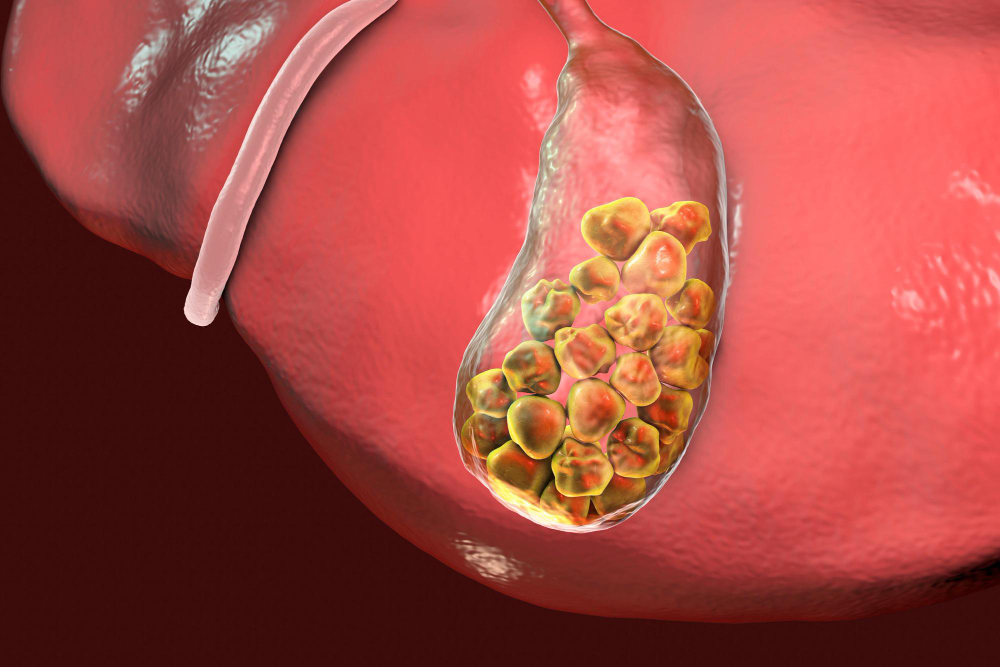
Gallbladder stones, also known as gallstones, are a common health problem. Some people have gallstones without noticing symptoms, while others may experience severe abdominal pain, nausea, vomiting, and digestive discomfort. The right treatment depends on the symptoms, stone location, and whether complications have developed.
The gallbladder stores bile, a digestive fluid that helps the body break down fats. Gallstones form when substances in bile, such as cholesterol or bilirubin, create solid deposits inside the gallbladder.
If you are considering gallbladder stone treatment in Hanamkonda or Warangal, understanding the symptoms, diagnosis, treatment options, and situations in which surgery may be necessary can help you make an informed decision.
Gallstones are solid deposits that develop inside the gallbladder when substances in bile form crystals and grow into stones. They can range from tiny particles to larger stones.
Some gallstones remain in the gallbladder without causing problems. Others may block the flow of bile and lead to pain, inflammation, or other complications.
Factors that may increase the risk of gallstones include:
Not everyone with these risk factors develops gallstones. A medical evaluation is needed to determine whether symptoms are related to gallstones or another condition.
Some people have no symptoms, and gallstones may be discovered during an ultrasound performed for another reason. When symptoms occur, they may include:
Pain may occur when a stone temporarily blocks a bile duct. Repeated episodes should not be ignored, even if the pain settles on its own.
These symptoms can also occur with other digestive and abdominal conditions. A doctor can assess the symptoms and recommend appropriate investigations rather than relying on symptoms alone.
Doctors usually diagnose gallstones by reviewing symptoms, medical history, and physical examination findings. An abdominal ultrasound is commonly used to identify stones in the gallbladder.
Depending on the symptoms and suspected complications, additional tests may be recommended. Blood tests can check for signs of inflammation or problems affecting the liver and pancreas. In selected cases, specialised imaging may be needed to investigate stones in the bile ducts.
Early diagnosis helps doctors determine whether the stones are causing symptoms and whether treatment is necessary. The treatment plan depends on the findings rather than the size of the stone alone.
The appropriate gallbladder stone treatment depends on whether the stones cause symptoms or complications.
If gallstones are discovered incidentally and are not causing symptoms, immediate treatment may not always be necessary. A doctor can explain whether observation is suitable and what symptoms to watch for.
When gallstones cause repeated pain or complications, doctors commonly recommend removing the gallbladder. This procedure is known as cholecystectomy and is an established treatment for symptomatic gallbladder stones.
If a stone blocks the main bile duct, a separate procedure may be required to remove it. Depending on the situation, doctors may use an endoscopic procedure such as ERCP. Gallbladder removal may also be recommended to reduce the risk of further problems.
Certain medicines may dissolve some cholesterol stones in carefully selected patients. They work slowly, are not suitable for every type of stone, and gallstones may return after treatment.
Gallbladder stone surgery is commonly recommended when gallstones cause repeated episodes of pain, gallbladder inflammation, or other complications. Surgery may also be required when stones lead to pancreatitis or obstruct the bile ducts.
The decision depends on symptoms, examination findings, test results, overall health, and the risk of further complications.
Some patients may not need immediate surgery if their stones are not causing symptoms. However, people with recurring painful episodes should seek medical assessment instead of repeatedly managing the discomfort without investigating the cause.
If surgery is recommended, ask your surgeon about the procedure, expected recovery, potential risks, and available alternatives.
Laparoscopic gallbladder surgery is a minimally invasive procedure commonly used to remove the gallbladder. The surgeon makes several small incisions and uses a camera and specialised instruments to complete the operation.
Compared with traditional open surgery, laparoscopic surgery generally involves smaller incisions and may allow a quicker recovery for suitable patients. However, the appropriate approach depends on the patient's condition and the surgeon's assessment. In some situations, conversion to open surgery may be necessary for safety.
After gallbladder removal, bile flows directly from the liver into the small intestine. Most people can live normally without a gallbladder, although some may experience temporary changes in digestion.
Your surgeon will explain preparation, anaesthesia, possible risks, and postoperative care before the procedure.
Recovery depends on the type of surgery, the patient's general health, and whether complications are present.
Many patients who undergo uncomplicated laparoscopic surgery return home the same day or after a short hospital stay, depending on medical advice and local practice. They may gradually resume normal activities over the following days to weeks.
Recovery after open surgery generally takes longer. Patients should follow their surgeon's instructions regarding wound care, activity, driving, work, and diet.
Seek medical advice if you develop worsening pain, persistent vomiting, fever, wound redness or discharge, or yellowing of the skin or eyes.
Gallstones can sometimes cause serious complications that need urgent treatment. Seek immediate medical attention if you experience:
These signs may indicate inflammation, a blocked bile duct, or another serious condition. Do not delay care while waiting for a routine appointment.
If you have recurring upper abdominal pain or have been diagnosed with gallstones, consult a qualified general or gastrointestinal surgeon to discuss your options.
Patients looking for gallbladder stone treatment in Hanamkonda should consider the surgeon's experience, available diagnostic facilities, surgical options, and postoperative support.
Koorapati Hospital can be contacted to enquire about consultation availability and services related to gallbladder stones. The hospital team can guide you regarding appointments and the next steps based on your symptoms and medical reports.
For patients exploring gallbladder stone surgery in Warangal, it is important to understand the recommended procedure, expected hospital stay, follow-up arrangements, and possible risks before deciding on treatment.
The gallbladder stone operation cost can vary depending on the type of surgery, hospital facilities, surgeon and anaesthesia fees, investigations, medicines, length of stay, and whether complications require additional treatment.
Laparoscopic and open surgery may have different costs. The final estimate can also vary according to the patient's medical condition and insurance coverage.
Contact the hospital directly for a personalised estimate after medical evaluation. Ask what the quoted amount includes, such as diagnostic tests, room charges, medicines, surgery, and follow-up visits.
People often search for gallbladder stones treatment without surgery, especially when symptoms are mild. However, there is no reliable home remedy that dissolves or removes gallstones. Dietary changes may help reduce discomfort for some people, but they do not eliminate existing stones.
Observation may be appropriate for some patients whose gallstones are not causing symptoms. Medicines may be considered in selected cases, but they are not effective for everyone and stones can recur.
For symptomatic gallstones, surgical removal of the gallbladder is often the most definitive treatment. A doctor can explain whether monitoring, medication, surgery, or another procedure is appropriate for your situation.
Frequently Asked Questions
Gallstones may cause pain in the upper-right or upper-middle abdomen, pain after meals, pain spreading to the back or right shoulder, nausea, or vomiting. Some people have no symptoms. A medical evaluation is needed to identify the cause.
Doctors assess symptoms, medical history, and examination findings. An abdominal ultrasound is commonly used to identify gallstones. Blood tests or specialised imaging may be recommended when complications or bile duct stones are suspected.
Surgery is commonly recommended when gallstones cause repeated pain, gallbladder inflammation, or other complications. The decision depends on symptoms, test results, overall health, and the risk of further problems.
Laparoscopic gallbladder surgery removes the gallbladder through small incisions using a camera and specialised instruments. It generally involves smaller incisions and may allow a quicker recovery for suitable patients, although the approach depends on the clinical situation.
Some gallstones that do not cause symptoms may be monitored. Medicines are suitable only in selected cases and may take time to work, with a possibility that stones return. Home remedies do not reliably remove existing gallstones. Discuss options with a qualified doctor.
If you have recurring upper abdominal pain or have been diagnosed with gallstones, consult a qualified general or gastrointestinal surgeon. Koorapati Hospital can be contacted to enquire about consultation availability and services related to gallbladder stones.
Gallbladder stones may remain harmless for some people, but they can cause repeated pain, inflammation, and serious complications in others. Recognising symptoms, getting an accurate diagnosis, and understanding the available treatment options are important steps towards appropriate care.
If you are considering gallbladder stone removal or need advice about surgery, consult a qualified surgeon to discuss your diagnosis and treatment plan. Koorapati Hospital can be contacted to enquire about consultations and available services in the Hanamkonda and Warangal region.
Seek medical advice promptly if you experience recurring abdominal pain or symptoms that may indicate a gallstone complication.